Fixing access issues for large wedding flowers Stapleton Hall Rd
Posted on 10/10/2026
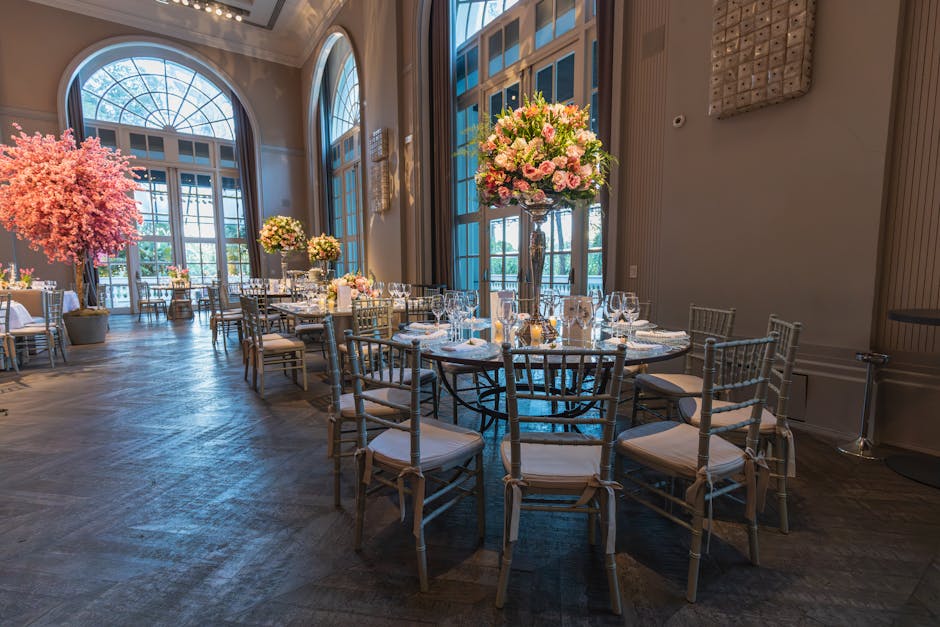
If you are planning a wedding delivery on Stapleton Hall Rd, the bouquet picture in your head can run straight into a very unglamorous problem: access. Big wedding flowers are lovely until you are trying to get them through a narrow doorway, up a tight staircase, past parked cars, or into a venue that only gives you a tiny loading window. Fixing access issues for large wedding flowers Stapleton Hall Rd is really about making sure the flowers arrive looking pristine, on time, and without a last-minute scramble.
That matters more than most people expect. A wedding arrangement is often delicate, top-heavy, and awkwardly shaped. One wrong turn, one too-small lift, one blocked entrance, and suddenly the display that looked perfect in the workshop needs a rescue. This guide walks through what access problems actually look like, how to solve them properly, and how to plan in a way that keeps the day calm. Truth be told, the calm bit is half the battle.
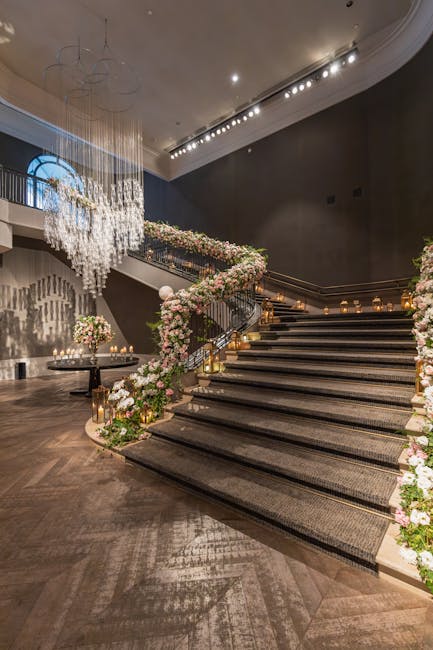
Table of Contents
- Why access matters for large wedding flowers
- How the access-fixing process works
- Key benefits and practical advantages
- Who needs this and when it makes sense
- Step-by-step guidance
- Expert tips for better results
- Common mistakes to avoid
- Tools, resources and recommendations
- Law, compliance, standards, or best practice
- Options, methods, and comparison
- Case study or real-world example
- Practical checklist
- Conclusion
- Frequently asked questions
Why Fixing access issues for large wedding flowers Stapleton Hall Rd Matters
Wedding flowers do not fail in dramatic, cinematic ways most of the time. They fail in small, annoying ones. A stem bends while being carried sideways through a tight hall. A large pedestal arrangement will not fit through the service door. The florist arrives early, then has to stand outside waiting because nobody has the right key, code, or point of contact. Not ideal, and definitely not the sort of drama anyone wants on a wedding morning.
Stapleton Hall Rd, like many London roads, can come with practical access limits that are easy to underestimate. There may be parking pressure, limited stopping space, narrow pavements, shared entrances, or venue rules that make delivery more fiddly than the flowers themselves. When you are dealing with large wedding bouquets, statement displays, floral arches, or table arrangements that come in multiple parts, access planning is not a bonus. It is part of the job.
Why does this matter so much? Because flowers are time-sensitive, fragile, and often the finishing touch that sets the whole atmosphere. If a display arrives late or damaged, it can affect photographs, guest flow, and even the timing of the ceremony. A wedding morning moves fast. There is no room for guesswork.
Expert summary: Good access planning protects the flowers, protects the schedule, and protects everyone's mood. Simple as that.
It also gives you flexibility. Once the route, entrance, and unloading point are sorted, you can choose fuller designs with more confidence. That means you do not have to scale everything down just because the building is awkward. With the right approach, even large wedding flowers can be delivered safely and set up beautifully on a tricky street.
How Fixing access issues for large wedding flowers Stapleton Hall Rd Works
The process is a lot less mysterious than it sounds. In practice, it is a mix of site checking, delivery coordination, careful packing, and knowing how to move flowers in stages rather than as one oversized load. You want the journey from florist to venue to be as controlled as possible. No rushing. No improvising with bent arms and open doors.
It usually starts with a few practical questions: where can the delivery vehicle stop, how far is the walk to the entrance, is there a lift, is the lift large enough, and can the arrangement be split into sections if needed? Those questions sound basic, but they save a lot of trouble later. In our experience, the most stressful access problems come from details that were not checked early enough.
For large wedding flowers, especially tall centrepieces or layered arrangements, there are three main access strategies:
- Direct carry-in: Best for short distances and easy ground-floor access.
- Split delivery: Useful when arrangements can be carried in parts and assembled onsite.
- Protected staging: Flowers are brought to a safe holding point, then moved into position at the right time.
Each of these can work well, but the right one depends on the venue and the design. A wide hotel entrance is a very different job from a basement function room reached by narrow stairs. Let's face it, the building always gets a vote.
For weddings near busy London roads, timing matters too. A delivery window that looks generous on paper can shrink fast if there is traffic, a school run, or a blocked bay outside. That is why florists often build in a buffer. Even twenty extra minutes can make a difference when a display needs careful handling or the ceremony room is still being dressed.
If you are ordering from a florist collection, it helps to choose arrangements that suit the route as well as the look. For example, a more compact option from the wedding collection can be paired with larger signature pieces, while a set of coordinated items like wedding table arrangements may be easier to move than one oversized centrepiece. That kind of thinking is not boring logistics. It is what keeps the styling elegant instead of chaotic.
And yes, sometimes the fix is as simple as telling the florist, "Please use the side entrance, not the front steps." Small note. Big impact.
Key Benefits and Practical Advantages
Sorting access properly is not just about avoiding headaches. It improves almost every part of the floral delivery and installation process.
- Better presentation: Flowers arrive less shaken, crushed, or drooping from awkward handling.
- Less risk of delays: The setup runs to schedule, which matters enormously on wedding days.
- Safer movement: Staff can carry arrangements without rushing or trying to squeeze through unsuitable spaces.
- Less waste: Fewer repairs, replacements, or emergency redesigns are needed.
- More design freedom: You can choose fuller, more ambitious flowers without worrying that they are impossible to get in.
There is also a quieter benefit that couples often notice only on the day itself: peace of mind. If you know the florist has thought through access, you stop worrying about whether the flowers are stuck in a van outside. That sounds minor until it is your wedding morning and every minute feels oddly loud.
Another practical advantage is that access planning helps with coordination between suppliers. Photographers, venue staff, stylists, and florists all work more smoothly when they know where people are entering, where items are being held, and what happens first. One clear route beats five people each assuming someone else has sorted it.
For larger floral designs, that can be especially useful when you want a premium look. A bridal bouquet from a coordinated bridal design may be easy to carry, but if it is paired with wider ceremony pieces or matching arrangements, the access plan needs to suit the whole set. A beautiful result is often just good organisation wearing a prettier outfit.
Who This Is For and When It Makes Sense
This topic matters for quite a few people, not just couples with giant flower arches. If any part of your wedding flowers is bulky, delicate, multiple-piece, or being delivered into a location with limited access, this is for you.
It is especially relevant if you are:
- getting married at a venue with narrow doors, stairs, or a small lift
- planning a church, civil, or reception setup on a busy road like Stapleton Hall Rd
- ordering statement centrepieces, tall urns, arch flowers, or layered displays
- booking multiple deliveries for different parts of the day
- working with a venue that has strict arrival or unloading times
- using a florist who needs clear instructions before the wedding morning
This is also the kind of planning that makes sense when you have a mixed order. A bouquet is easy enough. But add buttonholes, table flowers, a ceremony focal piece, and perhaps a last-minute backup arrangement, and suddenly movement becomes the hidden challenge. That is where detailed access notes earn their keep.
If you are still choosing styles, think about how the flowers will be handled as much as how they will look in photos. A large, flowing design can be gorgeous. It can also be awkward to balance while someone is trying not to knock over a lamp, a candle, or a guest's coat. Small detail, big difference.
Even if the venue says access is "fine," it is still worth checking for the actual route. Fine to whom? A florist carrying one bouquet, or a team carrying three arrangements and a box of extras? Not the same thing at all.
Step-by-Step Guidance
Here is a practical way to handle access issues without overcomplicating the process.
- Map the delivery point. Confirm the exact entrance, not just the venue name. Front door, side gate, service entrance, loading bay, whichever is real.
- Measure the tricky parts. Check doorway widths, staircase turns, lift size, and any height restrictions if arrangements are tall.
- Clarify the timing. Ask when the venue will be open, when rooms will be ready, and whether there is a hard cut-off for deliveries.
- Share parking and stopping details. Even a short stop can matter if the vehicle needs to unload close to the entrance.
- Decide whether pieces need splitting. Some floral designs travel better in sections and are assembled onsite.
- Protect delicate stems and foam. Use secure containers, water sources where needed, and upright packing so the arrangement does not lean.
- Assign one point of contact. On the day, there should be a person who can answer the phone quickly and make decisions.
- Build in a buffer. Traffic, weather, and venue access can all add ten to fifteen minutes before you know it.
If you want a simple rule, use this one: the bigger the flowers, the earlier the access conversation should happen. A florist can solve a surprising amount when they know in advance. They cannot magic a table arrangement through a locked door. Nobody can, despite what the wedding spreadsheet might imply.
When planning the floral mix, it can help to pair the large pieces with more manageable supporting items. For example, a statement bridal bouquet can work alongside buttonholes and smaller matching designs, which reduces handling pressure on the most important flowers. That sort of balance often keeps the whole job smoother.
Expert Tips for Better Results
After plenty of wedding delivery planning, a few patterns become very clear. The best access solutions are rarely the fanciest. They are the ones that remove uncertainty.
First tip: ask for photographs. A quick picture of the entrance, stairwell, or loading area can tell a florist more than a long message ever will. One image from the doorway, one from the path to the room, and one of any steps can save a lot of back-and-forth.
Second tip: label priorities. If there is a ceremony first and a reception second, say which flowers must be set up before anything else. Not every arrangement needs the same level of urgency.
Third tip: think about weather. London rain changes the whole mood of delivery. Wet pavements, dripping umbrellas, and a slippery entrance can slow things down, especially with large pieces. Nothing dramatic, just enough to matter.
Fourth tip: keep the floral finish in mind. Large wedding flowers often need the final touch-up only once they are in position. That means access should allow the florist to stand back, adjust, and check symmetry. If the space is too cramped, the flowers may be set, but not truly finished.
Fifth tip: do not assume the venue knows your setup. Some venues are brilliant. Some are just busy. Be specific. "Access from 8:30 via the side gate, lift to first floor, phone me on arrival" is much better than "I think it should be okay."
A small but useful habit is to add a delivery note with landmarks. If the entrance is easy to miss, say so plainly. "Blue door beside the shopfront" beats "near the front." You will thank yourself later.
And if you are choosing a premium bouquet for the day, a refined option from luxury flowers can still be practical if the packaging and route are planned properly. Luxury does not have to mean fragile chaos. It should mean beautiful flowers, handled intelligently.
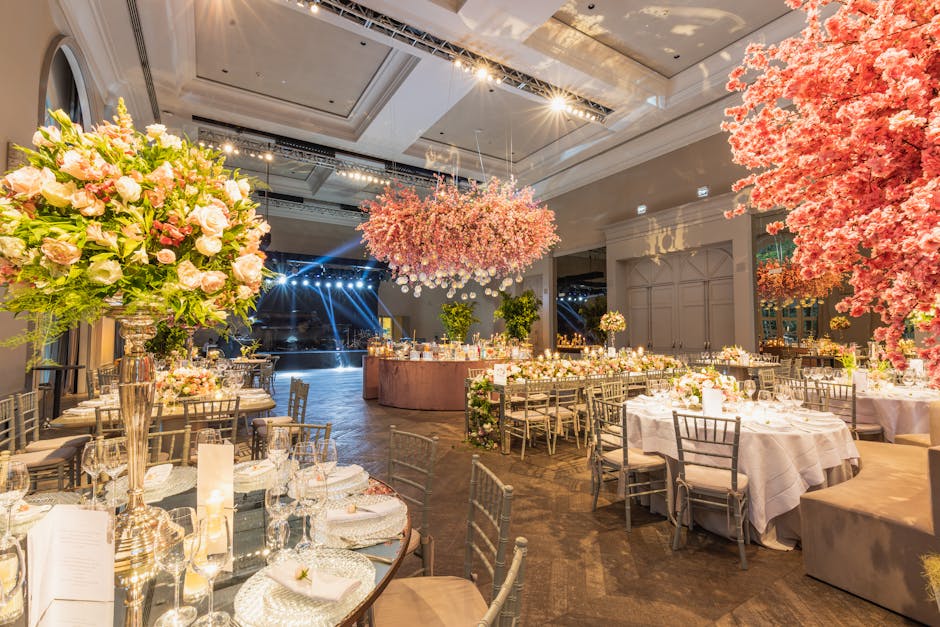
Common Mistakes to Avoid
The biggest mistakes are usually very ordinary, which is why they catch people out.
- Leaving access questions too late. By the week of the wedding, options may be limited.
- Not checking the actual entrance. The "main entrance" is sometimes not the easiest entrance.
- Forgetting about parking restrictions. A perfect plan can unravel if the vehicle cannot stop safely.
- Assuming a lift will fit everything. It may fit people, but not a large floral display.
- Ignoring setup time. Delivery is not the same as installation.
- Making the florist guess. Guessing is expensive, and not much fun.
One common slip is oversizing the design for the route. It happens. Couples fall in love with a photo, then discover the venue has a narrow spiral staircase and no service access. The fix is often to redesign intelligently rather than force the original idea. That is not a compromise in the bad sense. It is good judgement.
Another issue is incomplete instructions. Saying "the venue is easy to get into" might be true from one side and completely false from another. Better to be a little over-detailed than to have someone carrying flowers around the building in circles. Nobody wants that jog.
If you are ordering seasonal or style-led arrangements, even a lovely bouquet like wedding flowers should be matched to the route. Pretty and practical is the sweet spot. Honestly, it is the sweet spot for most things in weddings.
Tools, Resources and Recommendations
You do not need specialist equipment to solve most access problems, but a few tools and habits make life easier.
- Phone photos and video: Best for showing route obstacles, doorways, steps, and parking space.
- Simple floor plan or venue sketch: Helpful for large or multi-part installations.
- Delivery notes: Keep instructions short, specific, and easy to follow.
- Protective carriers and boxes: Useful for bouquet transport, buttonholes, and smaller items.
- Water tubes and wraps: Common florist tools that help stems stay fresh during transit.
If you are choosing flowers for the rest of the order, it can be smart to group items by handling needs. Smaller support items such as bridesmaid bouquets or coordinated pieces from the bridal bouquet range may travel differently from the focal display. Keeping those categories clear helps the setup team unpack in the right order.
For couples who want reassurance on service expectations, pages like delivery, guarantees, and flower care can be useful to review before booking. They help you understand what to expect, how flowers are handled, and what to do if something needs attention after arrival.
That kind of practical reading may not sound glamorous, but it gives you a better sense of the process. Weddings run better when the boring bits are quietly sorted.
Law, Compliance, Standards, or Best Practice
For wedding flower delivery, the main issue is usually not a special flower law. It is sensible working practice, safety, and respect for venue rules. In the UK, florists and delivery teams should act carefully around access routes, parking restrictions, lifting, and shared spaces. That means avoiding unsafe carrying, not blocking entrances, and following any site-specific instructions from the venue.
Venues often have their own access conditions, including loading times, insurance expectations, and rules for using trolleys, lifts, or service doors. If you are delivering into a public or managed building, it is wise to follow those instructions closely rather than improvising on the day. A quick call ahead saves awkward conversations later. Nobody enjoys being that person in the foyer with a giant arrangement and no pass.
Good best practice also means protecting the flowers properly during transit. Secure packaging, stable placement in the vehicle, and careful handover are all part of professional handling. If arrangements are particularly large, it may be safer to split delivery or use a staged setup rather than trying to move everything in one go.
If you are unsure whether a venue is straightforward, ask for the access route in writing and confirm who is receiving the delivery. The point is not bureaucracy for its own sake. It is clarity. Clear instructions reduce risk and keep everyone happier, especially on a day that already has enough moving parts.
Options, Methods, and Comparison Table
There is more than one way to handle large wedding flower access. The best choice depends on the venue, the design, and how much setup is needed onsite.
| Method | Best for | Pros | Trade-offs |
|---|---|---|---|
| Direct carry-in | Ground-floor entrances and short walking distances | Fast, simple, fewer handovers | Not suitable for awkward stairs or very large designs |
| Split delivery | Large installations that can be assembled in parts | Much easier through tight access points | Requires more onsite setup and coordination |
| Staged setup | Venues with holding areas or early access | Reduces pressure during the final rush | Needs clear timing and safe temporary storage |
| Compact redesign | Very restricted venues | Improves reliability and handling | May reduce scale slightly, though not necessarily impact |
There is no single winner here. A beautifully planned split delivery can look every bit as elegant as one carried in whole. Sometimes even more so, because it arrives calmer and gets finished properly. On the other hand, if the route is simple, direct carry-in is usually the cleanest option.
For couples comparing floral styles, a coordinated design from table arrangements or buttonholes may be more manageable than one oversized centrepiece. The visual result can still feel luxurious, just easier to handle. That balance is often the winning move.
Case Study or Real-World Example
Here is a realistic example. A couple planned a wedding reception in a venue off Stapleton Hall Rd with a narrow side entrance and a short internal corridor. They wanted large, elegant wedding flowers for the ceremony table and several matching pieces for the reception room. Beautiful idea. Slight access headache.
Rather than trying to bring everything in as one load, the florist split the delivery into two groups. The bouquet and smaller ceremony items arrived first through the side entrance, then the larger arrangements were brought in separately once the venue staff had cleared a holding point near the room. The display was assembled onsite, in stages, with the couple's contact person ready to confirm the final placement.
The result was tidy and calm. The flowers stayed in better condition because nothing was rushed through a tight space. The room styling also benefited because the florist had time to adjust the final arrangement once it was in situ. It looked effortless in photos, which is usually the sign that a lot of effort happened earlier.
What made it work? Clear instructions, one contact person, and a willingness to adapt the method rather than force the flowers through the easiest-looking door. Very sensible. A touch unglamorous, perhaps, but that is often what saves the glamour.
Practical Checklist
Use this before the wedding week. It is the kind of list that quietly prevents a lot of stress.
- Confirm the exact venue entrance for flower delivery
- Check door width, stair access, and lift size
- Ask where a vehicle can stop safely
- Share any parking restrictions or loading limits
- Provide the delivery time window in writing
- Nominate one contact person for the day
- Decide if large arrangements should be split into parts
- Confirm whether setup space will be ready on arrival
- Ask for photos if the route is unusual
- Keep a backup phone number handy
- Match flower size to access reality, not just the inspiration board
- Review delivery and care details before the day
If you can tick most of those boxes, you are already ahead of the game. Not perfect. Just properly prepared. And that is usually enough.
Conclusion
Fixing access issues for large wedding flowers Stapleton Hall Rd is really about bringing good planning into a part of the day that people often overlook. The flowers might be beautiful, but they still need to travel safely, fit through the right entrance, and arrive in time to be installed without stress. Once you treat access as part of the design process, everything gets easier.
That is the main takeaway: the best wedding flower setups are not only pretty, they are workable. When the route is clear, the timing is realistic, and the right handling method is chosen, large arrangements can look just as elegant in a tricky venue as they do in a showroom. Sometimes better, because they arrive with all their shape intact and none of the panic.
If you are planning flowers for a wedding venue with limited access, start with the practical questions now, not later. A little thought early on saves a lot of running around on the day. And honestly, that is one of the kindest things you can do for yourself.
Get a free quote today and see how much you can save.
In the end, good flowers should feel like part of the celebration, not part of the problem. When the access is sorted, the rest of the day can breathe a little easier.
Frequently Asked Questions
What does fixing access issues for large wedding flowers on Stapleton Hall Rd usually involve?
It usually means checking the delivery route, entrance size, parking, timing, and whether the flowers need to be split into sections before arrival. The aim is to make setup safe and smooth.
Why are large wedding flowers harder to deliver than smaller bouquets?
They take up more space, can be awkward to carry, and are easier to damage if the route is tight or rushed. Smaller bouquets are far more forgiving, to be fair.
How early should I mention access concerns to the florist?
As early as possible, ideally when you first discuss the order. The earlier the florist knows, the more options there are for packing, timing, and setup planning.
What details should I give about the venue?
Share the exact entrance, any stairs or lifts, parking restrictions, delivery times, and whether someone will be there to receive the flowers. Photos are helpful too.
Can large wedding flowers still work in a difficult venue?
Yes, often they can. The design may need to be delivered in sections or made a little more modular, but many large arrangements are perfectly possible with good planning.
Do I need to measure doorways and lifts?
It is a very good idea if the arrangement is large or the venue is not straightforward. A rough measurement can prevent a surprisingly annoying surprise on the day.
What if the venue changes the access instructions at the last minute?
That is why a point of contact matters. If the route changes, the florist needs to know quickly so they can adjust the approach without rushing.
Is split delivery common for wedding flowers?
Yes, especially for larger designs or venues with tricky access. It is a practical way to protect the flowers and reduce the chance of damage.
How do I know if my flower order is too large for the venue?
If the entrance is narrow, the stairs are tight, or the setup space is limited, it may be better to choose a more compact version or split the arrangement into parts. A florist can usually advise after seeing the route.
Should I choose different flowers if access is difficult?
Sometimes the flower type matters less than the design and packing method. The right answer is usually to choose a style that suits both the look you want and the space you have.
What should I do if parking is impossible near the venue?
Tell the florist in advance so they can plan extra time, use the safest stopping point, or arrange a hand-carry route. Last-minute parking problems are stressful, but they are often manageable if spotted early.
Can I combine large flowers with smaller wedding pieces to make delivery easier?
Yes. A mix of larger focal pieces and smaller supporting items, such as bouquets or buttonholes, often makes the whole order more practical without losing visual impact.
Is it worth reviewing delivery and flower care information before booking?
Absolutely. It helps you understand how the flowers will be handled, what to expect on the day, and how to protect them once they arrive.
What is the single biggest mistake people make with access planning?
Waiting too long to talk about it. Access is one of those things that feels minor until the day it becomes the main issue. A quick early conversation usually solves it.